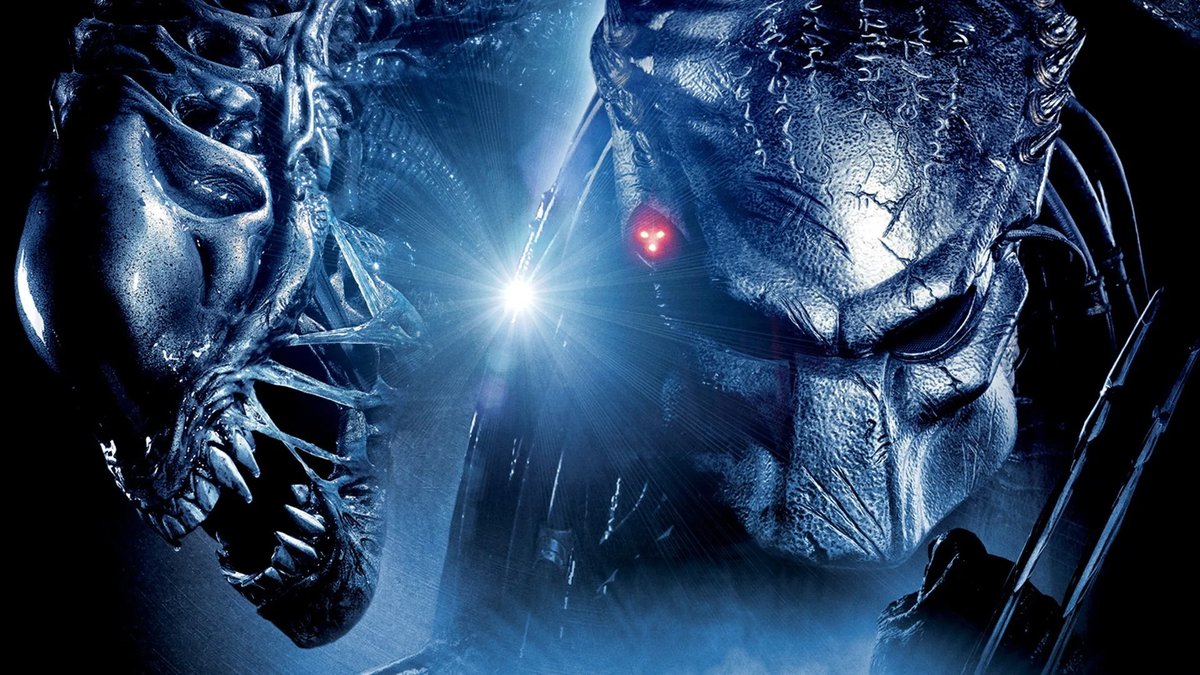
The future of two of cinema's most terrifying and enduring franchises, Alien and Predator, is not just bright; it's bursting with new possibilities across films, TV series, and even broader universe expansions. For decades, these iconic creatures have haunted our nightmares and fueled our imaginations, evolving from their humble cinematic beginnings into sprawling universes of their own. Now, under the watchful eye of Disney's 20th Century Studios, both the Xenomorph and the Yautja are poised for significant new chapters that promise to redefine their legacies. Whether you're a long-time fan tracking every facehugger and thermal vision kill, or just discovering the horrors within, the roadmap ahead offers a thrilling ride.
At a Glance: The Next Wave of Terror
- Alien: Romulus (Film, 2024): A standalone, in-canon movie set between Alien and Aliens, directed by Fede Álvarez. It’s a box office success, making a sequel very likely.
- Alien: Earth (TV Series): An FX on Hulu series, the first live-action Alien TV show, created by Noah Hawley. Set 30 years before the original Alien, it promises a long-form narrative not intended as a miniseries.
- Predator's Resurgence: Following the critically acclaimed Prey, a sequel (Prey 2) is highly anticipated, with hints tying into a rumored Predator: Badlands project.
- Alien vs. Predator 3: Director Fede Álvarez is open to helming a third crossover, a strong possibility given recent successes in both franchises.
- Uncertain Projects: Direct sequels to Alien: Covenant and the once-hyped Alien 5 from Neill Blomkamp remain unconfirmed or canceled, respectively.
Alien: Romulus – A Return to Form and a New Beginning
In 2024, the Alien franchise roars back to life with Alien: Romulus, a film that has quickly become a pivotal moment for the saga. Directed by the talented Fede Álvarez, known for his work on Don't Breathe and the Evil Dead remake, Romulus is designed as a standalone narrative that cleverly slots into the existing timeline: specifically, between Ridley Scott's original 1979 masterpiece and James Cameron's action-packed 1986 sequel, Aliens. This strategic placement allows the film to explore fresh characters and scenarios without the burden of direct continuity, while still enriching the universe fans know and love.
Starring a compelling ensemble cast including Cailee Spaeny, David Jonsson, Isabela Merced, and Spike Fearn, Romulus aims for the raw, visceral horror that defined the first film. It's a return to basics, focusing on a group of young space scavengers who inadvertently stumble upon a derelict spaceship, uncovering the terrifying secrets—and occupants—within. The film’s budget of $80 million has already yielded impressive returns, grossing over $100 million worldwide in its initial week. This strong financial performance isn't just a win for the studio; it significantly increases the likelihood of a sequel. Álvarez himself has openly teased future ideas, indicating a long-term vision for this branch of the Alien story. This isn't just a one-off; Romulus feels very much like the foundation for a new series of cinematic scares.
The success of Romulus demonstrates that there’s a massive appetite for new Alien stories, especially when they honor the franchise’s horror roots while offering fresh perspectives. It effectively positions itself to potentially become the second highest-grossing film in the franchise, surpassed only by Prometheus, once it hits its stride, making a continuation almost inevitable.
Alien: Earth – The Small Screen Invasion
While Romulus keeps the cinematic flame burning, the most ambitious expansion for the Alien universe is undoubtedly Alien: Earth, an upcoming FX on Hulu TV series. This marks a monumental step for the franchise: its first-ever live-action television installment. Spearheaded by the visionary Noah Hawley (creator of Fargo and Legion), Alien: Earth promises a sprawling, character-driven narrative set on our home planet, 30 years before the horrifying events of the original 1979 Alien.
Imagine a world grappling with the very notion of extraterrestrial life, where the insidious influence of the Weyland-Yutani Corporation is just beginning to take root, long before Ripley ever encountered her first Xenomorph. This setting offers a unique opportunity to explore themes of corporate greed, class struggle, and existential dread on a scale never before seen in the franchise. The ensemble cast is equally impressive, featuring talents like Sydney Chandler, Alex Lawther, Adrian Edmondson, Essie Davis, and Timothy Olyphant, suggesting a rich tapestry of interwoven stories and characters.
Crucially, Hawley has emphasized that Alien: Earth is not a miniseries. He’s expressed a desire to work on the show for "the next 10 years," signaling a commitment to a long-form, evolving narrative that can truly delve into the lore and world-building of Alien in unprecedented ways. While an official premiere date is still under wraps, the sheer scope and ambition of Alien: Earth position it as a game-changer, promising to expand our understanding of the Xenomorph threat and its origins, placing it squarely within the human experience on Earth.
The Broader Alien Universe: A Legacy of Fear
To truly appreciate the excitement around these new projects, it’s worth remembering the rich history they build upon. The Alien franchise alone boasts seven feature films, including the two prequel films Prometheus (2012) and Alien: Covenant (2017), which explored the origins of the Xenomorphs and their enigmatic creators, the Engineers. Then there are the two crossover Alien vs. Predator (AvP) movies (2004, 2007), which brought the two iconic monsters together for epic battles. All told, this makes for nine feature films that have explored different facets of these terrifying entities.
But the universe doesn't stop at the big screen. The Alien and Predator franchises thrive across a multitude of other media, extending into a vast network of novels, gripping comic books, immersive video games, web series, and compelling short films. From the darkest corners of space to the jungles of Earth, the enduring appeal lies in the primal fear these creatures evoke and the consistent presence of key elements like the terrifying Xenomorph and the nefarious Weyland-Yutani Corporation, which constantly tries to weaponize the creatures for profit. For those looking to revisit the saga or catch up, understanding the Alien and Predator movie order can provide a clear path through this complex timeline.
The Predator's Roar: From Prey to Badlands
The future isn't just about the Xenomorphs. The Predator franchise has also experienced a stunning revitalization, thanks in large part to the critical and commercial success of 2022's Prey. This Hulu streaming hit, directed by Dan Trachtenberg, reimagined the Predator hunting experience by setting it in the Comanche Nation in 1719, delivering a fresh take that resonated deeply with audiences and critics alike. Starring Amber Midthunder as Naru, a fierce warrior protecting her tribe from an advanced alien hunter, Prey proved there's still immense potential in the Yautja mythos.
Given Prey's overwhelmingly positive reception and its status as Hulu’s most-watched film ever at release, a sequel, tentatively referred to as Prey 2, is not just possible—it’s highly anticipated. Discussions about Naru's fate and her continuing struggle against these formidable hunters have already surfaced, with mentions of her becoming the "Killer Of Killers" and hints linking her story to a rumored upcoming project, Predator: Badlands. While details on Badlands are scarce, its very existence suggests that Disney's 20th Century Studios is actively investing in the future of the Predator, exploring different time periods and cultural backdrops to keep the hunts fresh and compelling. Expect more brutal, inventive encounters from the galaxy's deadliest trophy hunters in the years to come.
Will We Finally Get Alien vs. Predator 3?
With both the Alien and Predator franchises seeing renewed success and creative vigor, the long-dormant idea of a third Alien vs. Predator (AvP) crossover film is once again gaining serious traction. The last time these iconic creatures clashed on screen was in 2007, and while those films had their fans, they didn't quite achieve the critical acclaim of their standalone counterparts.
However, the landscape has changed dramatically. The recent successes of Alien: Romulus and Prey have proven that these franchises can thrive with fresh creative talent at the helm. Notably, Fede Álvarez, director of Romulus, has openly expressed his interest in co-directing a new AvP installment. This is a significant development, as Álvarez has demonstrated a deep understanding of what makes these creatures terrifying and how to craft suspenseful, impactful horror.
Add to this the unified ownership of both franchises under Disney's 20th Century Studios. Previously, different studios might have complicated such a crossover, but now, a shared creative vision is far more feasible. A third AvP film, potentially bridging the new directions seen in Romulus and a possible Predator: Badlands or Prey 2, could finally deliver the epic, terrifying confrontation fans have always dreamed of, combining the best elements of both worlds into a cohesive and thrilling narrative. It’s certainly a strong possibility that has a lot of momentum behind it now.
The Paths Less Taken: Unclear Futures and Canceled Dreams
Not every potential project, however, has made it to the green light. The future of certain previous storylines remains unclear, adding a layer of mystery to the overall franchise roadmap.
- Prometheus 3 / Ridley Scott's Alien: Covenant Sequel: Following Prometheus and Alien: Covenant, director Ridley Scott had plans for further sequels to complete his prequel trilogy, delving deeper into the Engineers, David's twisted creations, and the origins of the Xenomorph. However, the status of a direct sequel to Alien: Covenant is currently ambiguous. While Scott remains a revered figure in the franchise, recent efforts seem to be focusing on new blood and different narrative directions, leaving the fate of his planned follow-up uncertain. This doesn't mean it's impossible, but it's certainly not a priority in the immediate future.
- Alien 5 (Neill Blomkamp): For a time, the internet was abuzz with excitement over a proposed Alien 5 directed by Neill Blomkamp (known for District 9). This project gained considerable traction, with concept art featuring Ripley (Sigourney Weaver) and Hicks (Michael Biehn) hinting at a direct sequel to Aliens, potentially retconning Alien 3 and Alien: Resurrection. Fan anticipation was immense, fueled by the promise of Weaver's return and Blomkamp's distinctive sci-fi vision. Ultimately, however, the project was canceled, reportedly in favor of Ridley Scott’s Alien: Covenant. It remains one of the great "what ifs" in franchise history, a reminder that even the most exciting concepts can sometimes fall by the wayside.
These unfulfilled projects highlight the constant flux within major franchises, where creative visions collide, and studio priorities shift. While they represent missed opportunities for some fans, they also clear the path for new, perhaps even bolder, creative directions.
Why These Franchises Endure: A Legacy of Terror and Innovation
What is it about the Xenomorph and the Predator that continues to captivate audiences after so many decades? Their longevity isn't just about jump scares or cool creature designs; it's rooted in deeper psychological and thematic elements:
- Primal Fear: The Xenomorph embodies pure, unadulterated primal fear. It’s a perfect organism of survival, unstoppable, relentless, and alien in every terrifying sense. Its life cycle, from facehugger to chestburster, is deeply unsettling, tapping into our innate fears of violation and biological horror.
- The Thrill of the Hunt: The Predator, on the other hand, is a hunter's hunter. It represents a formidable, intelligent adversary whose advanced technology and code of honor make every encounter a tense game of cat and mouse. The thrill comes from watching humans, often outmatched, use cunning and wit to survive against a superior foe.
- Societal Commentary: Both franchises often subtly weave in social commentary. Alien frequently explores themes of corporate exploitation (Weyland-Yutani), gender roles, and the dangers of unchecked scientific ambition. Predator can be seen as a commentary on colonialism, the nature of war, and the respect (or lack thereof) for the natural world.
- Iconic Design: From H.R. Giger's biomechanical Xenomorph to Stan Winston's dreadlocked Predator, these creatures boast some of the most iconic and influential designs in cinematic history. They are instantly recognizable, evoking a sense of dread with just a silhouette.
These factors, combined with strong storytelling and memorable characters like Ellen Ripley and Naru, ensure that the Alien and Predator universes remain fertile ground for new tales of terror and survival.
What This Means for You, The Fan
For fans of the Alien and Predator universes, this period marks an unprecedented level of activity and potential. The concurrent success of Alien: Romulus and Prey has injected fresh energy, proving that new blood can successfully interpret and expand these beloved worlds.
- Expect Diverse Storytelling: With films like Romulus offering standalone thrills and TV series like Alien: Earth providing long-form, serialized narratives, you can expect a broader range of storytelling approaches than ever before. This means more opportunities to explore different eras, characters, and sub-genres within these rich universes.
- Anticipate More Crossovers: The growing synergy between the Alien and Predator brands under Disney makes a future AvP installment a very real prospect. Keep an eye out for hints and announcements, as a properly executed crossover could be truly spectacular.
- Embrace New Talent: While the original creators laid the groundwork, the current wave of projects is championed by new voices like Fede Álvarez and Noah Hawley. Their fresh perspectives are vital for keeping the franchises relevant and exciting for new generations of viewers.
- Stay Engaged Beyond the Screen: Remember that the universes extend far beyond films and TV shows. Dive into the comics, novels, and video games if you want to immerse yourself further and discover stories that might even influence future on-screen adaptations.
The future of Alien and Predator is vibrant, terrifying, and full of potential. As the Xenomorph continues to burst forth and the Predator sharpens its blades, fans have a lot to look forward to. Get ready to scream.